EV vs. Gasoline
Feature comparisons that matter in daily driving
Comparing vehicles is easier when you look at one decision at a time. These comparisons focus on how features behave in real routines, not marketing claims.
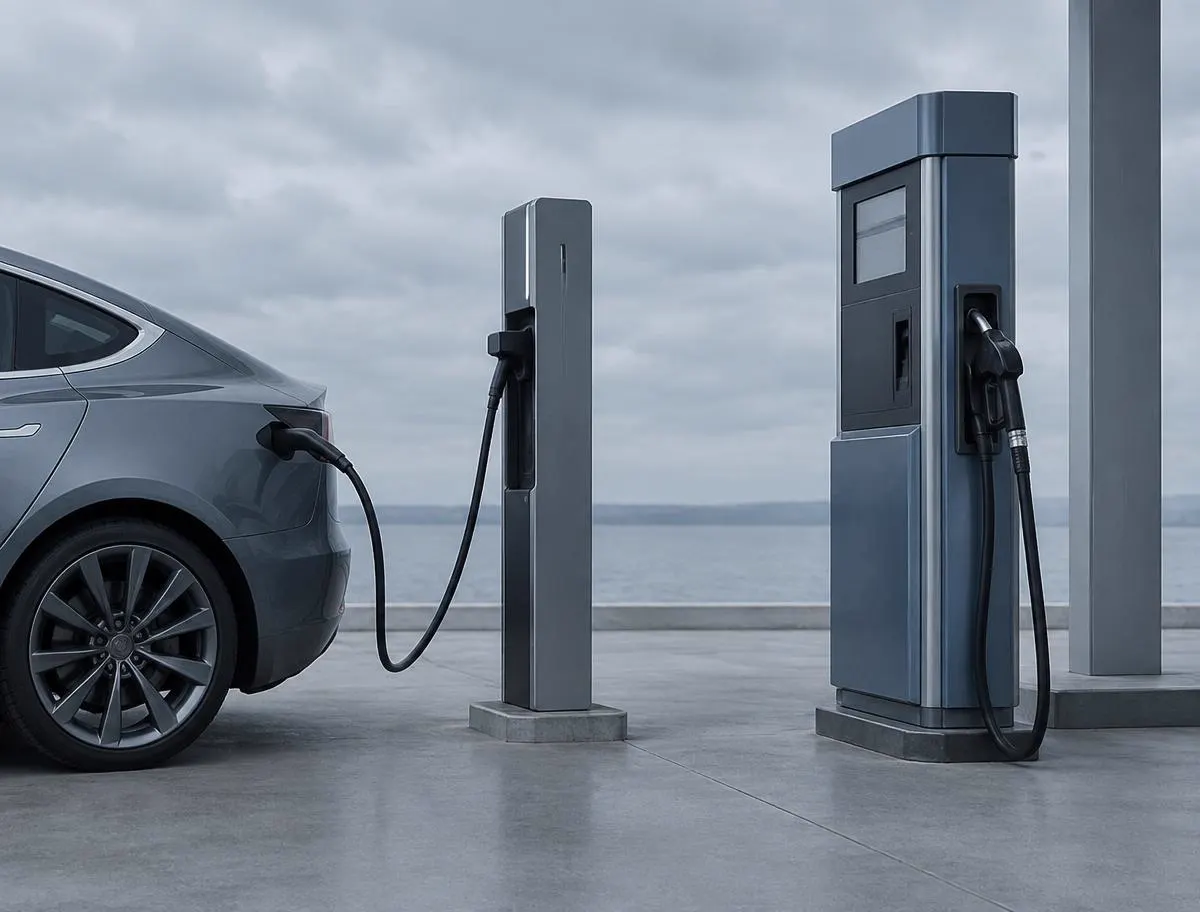
Electric vehicle vs. Gasoline vehicle
| Consideration | Electric vehicle | Gasoline vehicle |
|---|---|---|
| Refueling | Charging at home, work, or public stations | Fuel stations, a few minutes per fill |
| Typical routine maintenance | No oil changes, fewer moving parts | Oil changes, filters, spark plugs |
| Range planning | Varies with temperature, speed, and charger access | Widely available fuel makes long trips simple |
| Driving feel | Instant torque, quiet cabin | Familiar engine sound and response |
| Braking | Regenerative braking recovers energy | Conventional friction braking |
Front, all, and four wheel drive
Front wheel drive is common and efficient. All wheel drive automatically sends power to all wheels for added traction. Four wheel drive, often with a low range, is designed for off road and heavy duty use.
- AWD helps with traction, not stopping distance
- Tires often matter as much as drivetrain in snow
Hybrid and plug in hybrid
A hybrid pairs a gasoline engine with an electric motor and small battery that charges itself. A plug in hybrid has a larger battery you can charge, allowing some all electric driving.
Interior features
Seat materials, climate controls, cargo flexibility, and storage vary by trim more than by model. Checking the specific trim helps avoid surprises.
- Cloth versus leatherette upkeep
- Physical buttons versus touch controls
- Rear seat folding patterns