Vehicle Categories
Vehicle types, explained for everyday drivers
Body style shapes almost everything about how a vehicle fits into daily life. Here is how the most common categories differ, and the trade offs each one brings.
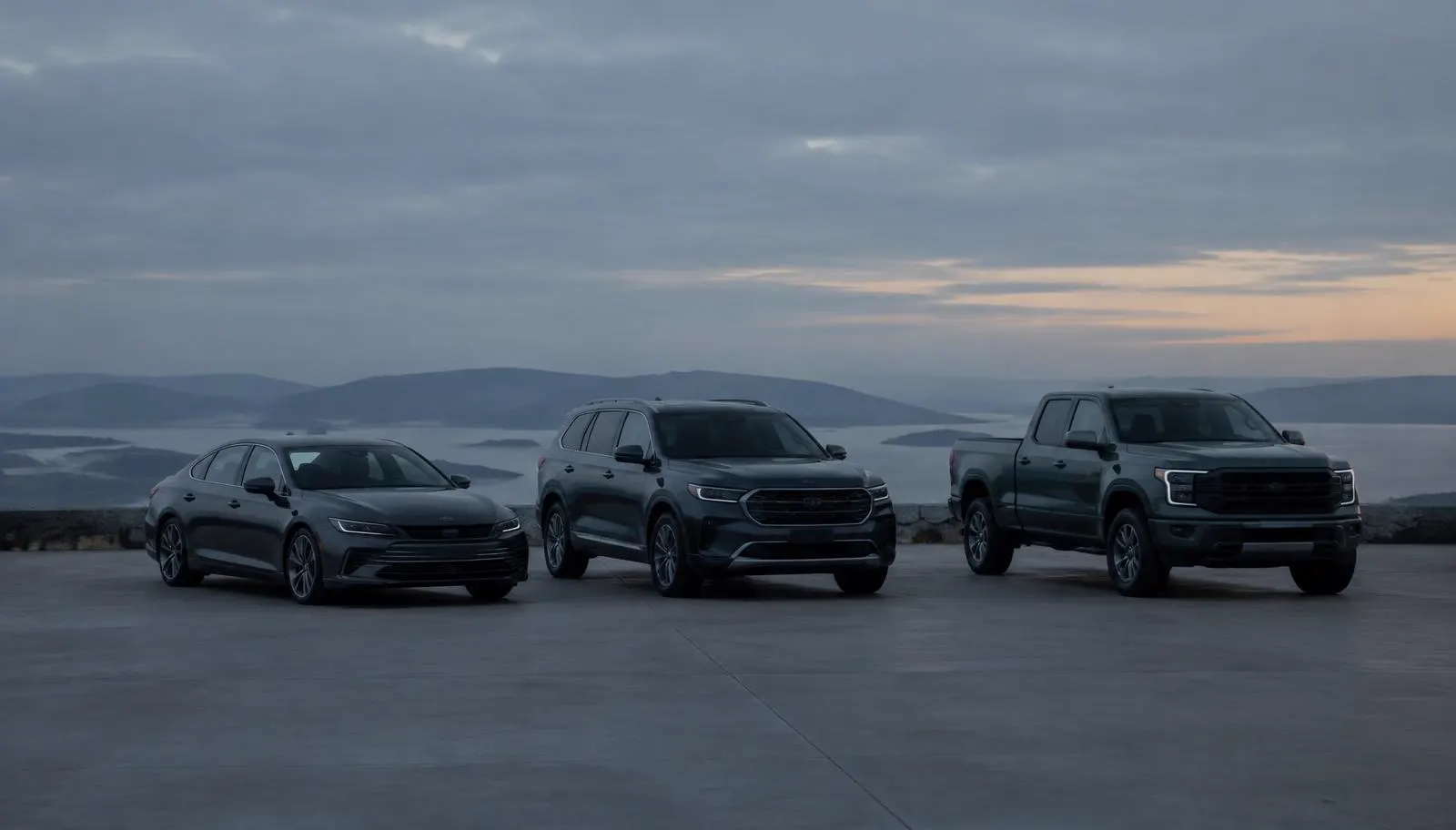
Sedans
Sedans keep passengers and cargo in separate spaces, with a lockable trunk. Their lower height usually helps with stability and efficiency on the highway.
- Comfortable for four or five adults
- Trunk keeps cargo out of sight
- Lower step in height can be easier for some drivers
Hatchbacks
A hatchback trades the separate trunk for a rear liftgate. Folding rear seats open a surprisingly large cargo area for a small footprint.
- Easy to park in dense areas
- Flexible cargo for bulky items
- Often among the more efficient choices
Crossovers
Crossovers use car style construction with a taller body. They offer a higher seating position and more cargo room while driving much like a car.
- Popular all wheel drive availability
- Easier entry and exit than lower cars
- Wide range of sizes from compact to midsize
SUVs
Traditional SUVs are larger and many use body on frame construction. That design supports towing and rougher terrain at the cost of weight and efficiency.
- Third row seating is common
- Higher towing capacities
- Four wheel drive with low range on some models
Pickup trucks
Pickups pair a passenger cab with an open bed. Cab and bed lengths vary widely, which affects passenger room, payload, and overall length.
- Payload and towing ratings matter most
- Bed length changes what you can carry
- Larger size can make parking harder